


We often think mindset lives inside one person. In practice, groups also develop shared beliefs. Teams, families, schools, and communities start to repeat the same stories about what is possible, what is risky, and who gets heard. Over time, those stories turn into habits. Then habits shape results.
Collective mindset is the set of shared assumptions that guide how a group feels, thinks, and acts together.
We have seen this in very different settings. A team says, “People here do not speak up.” A school says, “Some students are just not capable.” A family says, “This is how we have always handled conflict.” Each sentence sounds small. Yet each one carries a social rule. Once repeated enough, it starts to train behavior.
Reprogramming a collective mindset does not mean forcing positive thinking. It means helping a group see its hidden script, question it, and practice a better one until it becomes natural. This process touches belief, emotion, attention, language, and structure at the same time. For related views on inner and shared awareness, we often connect this work with studies on consciousness.
Why groups stay stuck
A group can hold a limiting mindset even when many individuals want change. That is the frustrating part. One person tries to act differently, but the social field pulls them back. We may feel this in meetings, in classrooms, or even at the dinner table.
In our experience, group rigidity usually grows from four repeating forces:
Shared emotional memory, such as past failure, shame, or mistrust.
Language patterns that frame effort as weakness or disagreement as danger.
Reward systems that protect old behavior.
Silent norms about status, belonging, and who may influence the group.
One school leader once told us that teachers wanted students to take more initiative, but every mistake was met with quick correction. The spoken message was “be active.” The real message was “do not get it wrong.” The group learned the real message. It usually does.
Groups believe what they repeatedly live.
This is why group change cannot depend on speeches alone. If the emotional climate, symbols, and routines stay the same, the old mindset will return.
Models that help group change
We think the best models for group change are simple enough to apply, yet deep enough to reach emotion and meaning. Here are three that work well together.
The awareness, interruption, replacement model
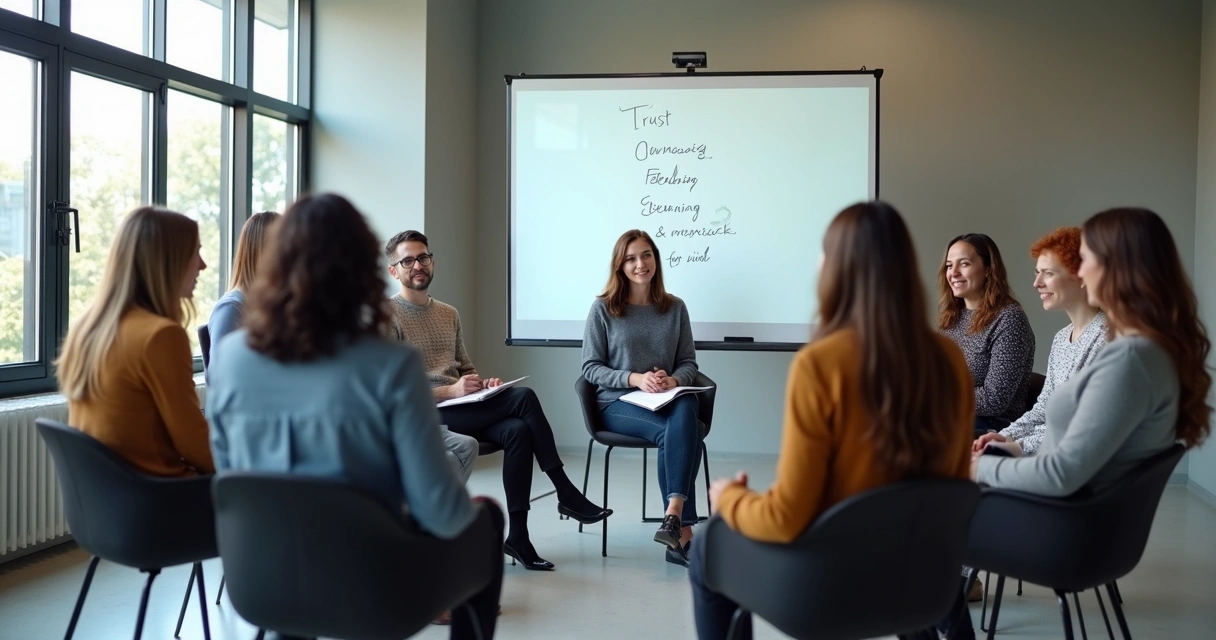
This model starts with visibility. A group names its current script, notices where it appears, and interrupts it in real time. After that, the group installs a replacement behavior.
Change becomes more stable when a group replaces an old pattern with a specific new response.
The sequence is direct:
Awareness: Identify the belief and where it shows up.
Interruption: Pause the old reaction when it appears.
Replacement: Practice a new sentence, ritual, or response.
For example, a team that defaults to blame can replace “Who caused this?” with “What did we learn, and what is the next step?” This seems minor. It is not. Language organizes attention.
To deepen this layer, we often relate it to principles found in applied psychology, because beliefs change faster when people can observe thought, trigger, and response in a structured way.
The social norm reset model
Many mindset problems are not private beliefs. They are norm problems. People act according to what they think the group expects. So we need to reset what is publicly normal.
This model works through visible signals:
Leaders model the new mindset first.
The group names desired behaviors in plain language.
Stories of progress are shared often.
Recognition follows the new norm, not the old one.
Research supports this shared effect. A 2023 study on classroom mindset found that lower-performing ninth graders improved more when teachers also held and expressed a growth mindset, showing the power of a shared classroom belief system. That pattern matters far beyond schools. When authority figures embody the new belief, the group shifts faster.
This is why collective mindset and leadership are tightly linked. People watch what gets praised, what gets ignored, and what gets repeated under pressure.
The reflection and regulation model
Some groups know the right ideas but still cannot live them. Why? Because stress takes over. Under tension, people return to old defenses. Reflection and emotional regulation help a group stay available for new choices.
We use short practices that lower reactivity and increase awareness. These can include one minute of silence before hard conversations, naming emotions without debate, or ending meetings with one honest insight. Over time, these small acts build collective steadiness.
That is where mindfulness becomes useful. It gives groups a way to notice activation before it turns into repetition.
What evidence tells us
We should be honest. Group mindset change is possible, but not magical. Results tend to improve when interventions are shared, repeated, and supported by adults or leaders in the environment.
A large U.S. experiment with more than 12,000 ninth-grade students found that a brief intervention reduced the share of lower-achieving students earning very low grades, which points to the value of a brief online growth mindset intervention. Another trial in England, involving 101 primary schools and 5,018 pupils, showed that weekly workshops plus teacher development improved mindset clearly, though academic gains were more modest, according to an eight-week school-based mindset trial.
These findings tell us something simple. Beliefs can shift. But they shift better when the environment changes too.
How to start reprogramming a group
We suggest beginning with one real pattern, not ten. A group does not need a grand statement before it can change. It needs honesty, repetition, and a shared method.
A useful starting path looks like this:
Name one limiting belief the group keeps acting out.
Find the moments, words, and routines that reinforce it.
Create one replacement norm the group can practice this week.
Ask leaders to model it publicly and consistently.
Review progress and emotional resistance without blame.
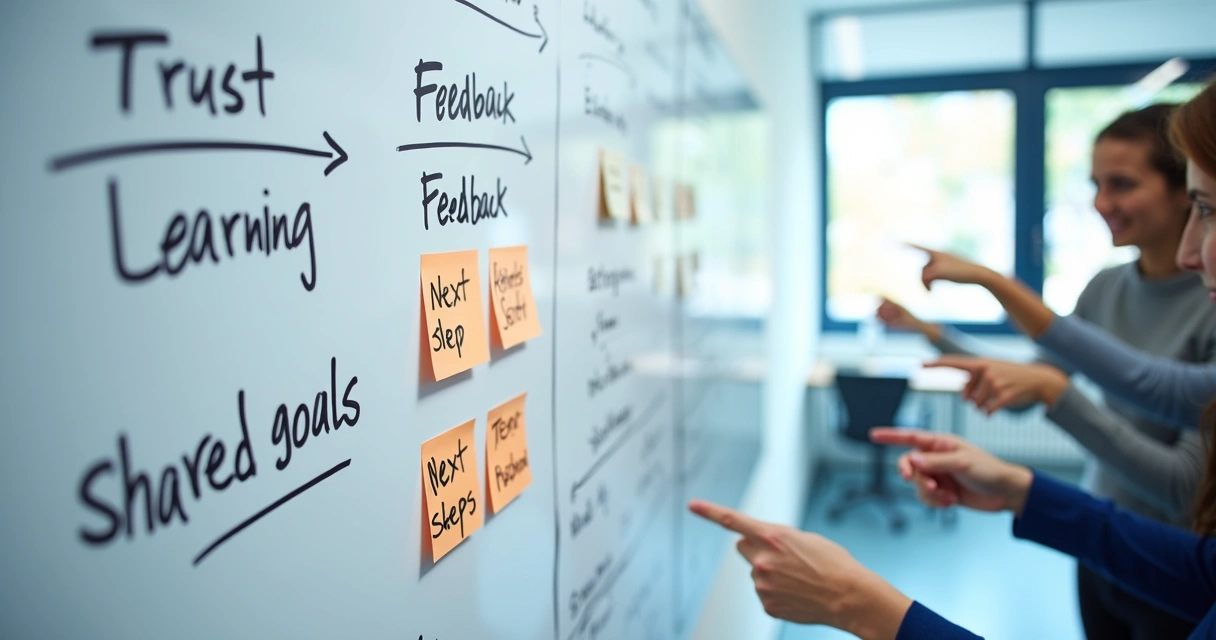
When groups do this well, they do not just think differently. They relate differently. Trust grows. Learning opens. Responsibility becomes shared. For that reason, we also connect this topic with emotional development, because a mature group can hold discomfort without collapsing into old reactions.
Conclusion
Reprogramming collective mindset is the art of changing the inner code of a group. It asks us to work with beliefs, norms, emotions, language, and repetition at once. There is no single formula. Still, clear models help us move from vague hope to lived change.
When a group changes its shared story, it changes what its members feel allowed to become.
That is why this work matters. A healthier collective mindset can shape better learning, wiser leadership, calmer conflict, and more human systems. One new belief, practiced together, can begin to alter the future of the whole group.
Frequently asked questions
What is group mindset reprogramming?
Group mindset reprogramming is the process of changing the shared beliefs and emotional habits that guide how a group acts. It helps teams, schools, families, or communities replace limiting patterns with healthier ones through awareness, practice, and new social norms.
How can groups change collective mindset?
Groups can change collective mindset by naming the old pattern, identifying where it appears, and practicing a new response together. Change becomes stronger when leaders model the new belief, routines support it, and the group reflects on progress often.
What models exist for group change?
Useful models include awareness, interruption, and replacement; social norm reset; and reflection with emotional regulation. These models help groups work on beliefs, behavior, and group climate in a structured way.
Is it hard to change group mindset?
Yes, it can be hard because group mindset is reinforced by habit, emotion, and social pressure. Still, change is possible when the process is repeated, emotionally safe, and supported by visible actions from the whole group.
Why is collective mindset important?
Collective mindset matters because it shapes how groups make decisions, respond to mistakes, handle conflict, and support growth. A healthy shared mindset can improve trust, learning, and cooperation across the entire group.