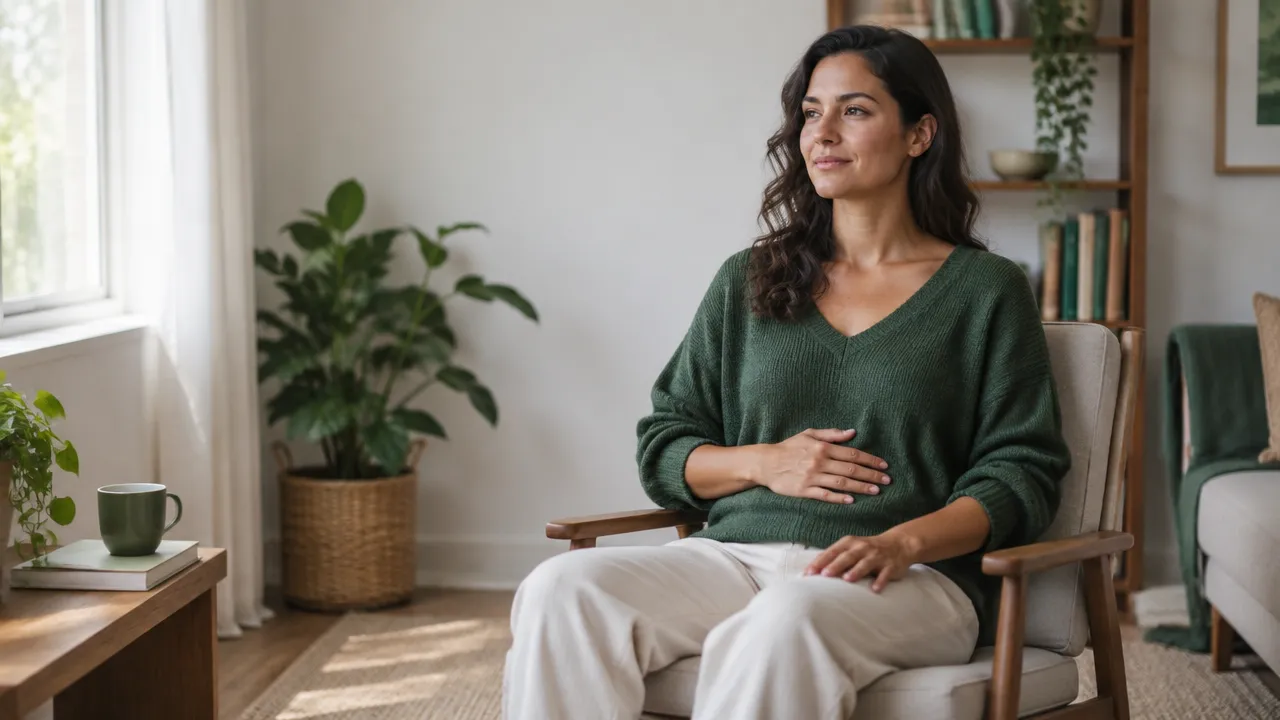
Nervous system regulation is not about staying calm all the time. It means practicing how to notice stress, support your body in the moment, and recover without treating every difficult feeling as a problem. These practical steps can help during a tense workday, an anxious moment, or a demanding routine, while leaving room for individual differences.
Key takeaways for building calm
- Regulation is flexibility, not permanent relaxation.
- Start with small cues of support, such as steady contact with the floor or a comfortable exhale.
- Choose a practice that matches your state. Stillness is not right for everyone.
- Consistency in daily routines and relationships can matter more than an intense one-off exercise.
- Persistent or disruptive symptoms deserve professional attention, not just another self-help technique.
Regulation means responding and recovering, not switching off stress
The autonomic nervous system helps coordinate functions such as heart rate, breathing, and digestion. Stress can increase alertness and prepare the body to respond; that activation is useful in some situations. Regulation does not mean suppressing it or forcing the body into a single state of calm.
A more helpful goal is to notice what is happening and choose a response that supports recovery. You might feel keyed up before a difficult conversation, then settle afterward. Or you might feel depleted and need gentle movement or connection rather than another demand to meditate.
People sometimes use “dysregulation” to describe recurring difficulty settling, feeling present, or adapting to stress. It is not, by itself, a diagnosis. Stress responses also vary, so a practice that helps one person may feel uncomfortable or unhelpful to another.
Use a brief practice that feels manageable
Let the breath slow without forcing it
Try breathing gently for one or two minutes, allowing the exhale to become slightly longer if that feels comfortable. For example, breathe in naturally and breathe out a little more slowly, without holding your breath or chasing a precise count. Stop if you feel dizzy, panicky, or short of breath.
Slow, voluntary breathing is studied as a way to influence stress and bodily responses, but results vary across practices and people. A review of breathing interventions discusses the potential benefits as well as differences in study methods and outcomes. You can explore research on breathing for stress without assuming that one technique works for everyone. For a simple daily routine, try integrating breathwork into mindfulness for a few minutes at a time.
Use your senses when breath focus is uncomfortable
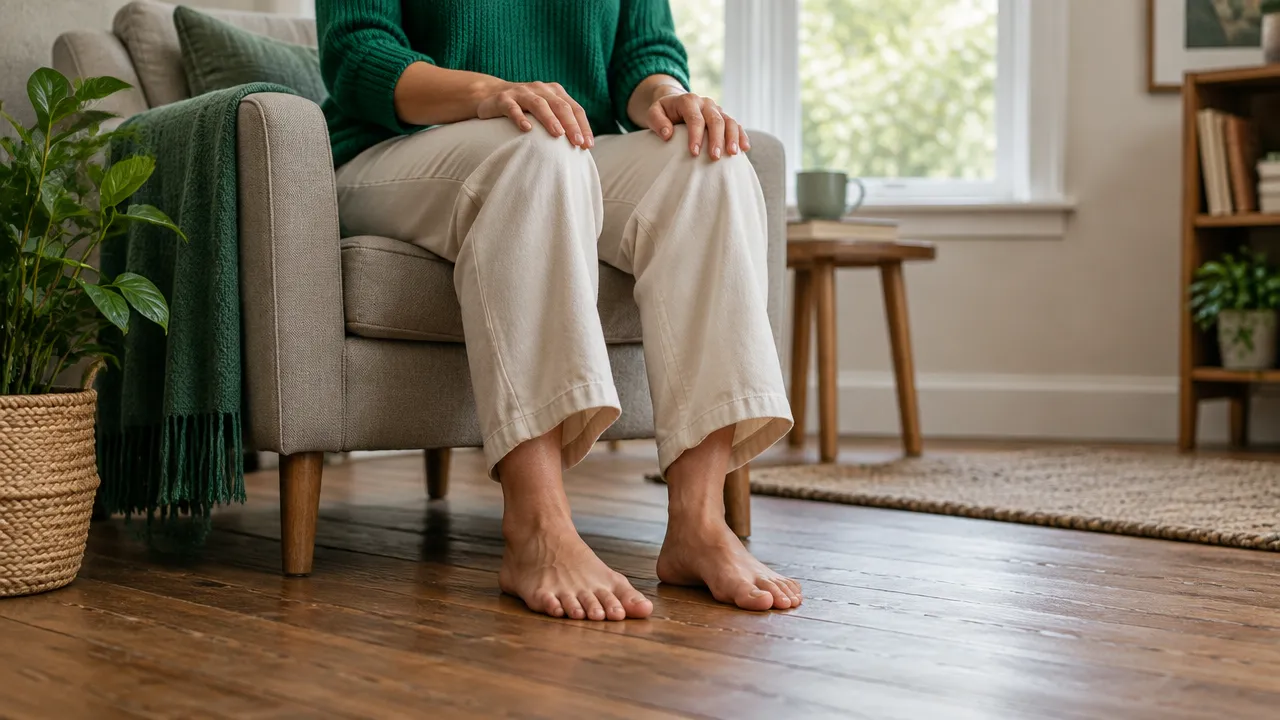
Grounding redirects attention to what is happening around you, instead of requiring you to change how you feel. Press your feet into the floor, notice the chair supporting you, and name three neutral objects in the room. Keep your eyes open and choose ordinary details, such as a window frame or the color of a book.
This is not a test, and you do not need to feel completely calm for it to count. If a body scan or inward focus increases distress, stay oriented to the room or take a short walk instead.
Match the technique to your state
A useful practice meets your current needs instead of following a one-size-fits-all rule. Before choosing, ask whether you feel activated, shut down, or mainly distracted. Then try one small action and check whether it helps, has no effect, or makes you feel worse.
| What you notice | Try first | Keep in mind |
|---|---|---|
| Racing thoughts or tight muscles | Unhurried walking or a comfortable longer exhale | Do not force deep breathing or breath holds. |
| Feeling foggy or disconnected | Look around, name objects, or feel your feet on the floor | Choose gentle sensory contact, not an overwhelming sensation. |
| Restlessness or excess energy | Stretch, walk, or shake out your hands | Movement can be brief and low intensity. |
| Feeling overwhelmed and alone | Contact someone you trust or sit near another person | Support can be part of regulation, not a failure of independence. |
Relaxation methods can help some people, but they are not universal solutions. The NCCIH overview of relaxation techniques notes that these practices are generally considered safe, while also advising people not to use them in place of medical care.
Build steadier support into ordinary routines
Small habits create more opportunities to recover before stress piles up. Regular movement, a consistent sleep schedule, breaks from continuous demands, and meaningful social contact can support everyday coping. The CDC recommends practical stress-management steps such as unwinding, connecting with others, and maintaining a regular sleep schedule in its guidance on managing stress.
Make the plan specific enough to use: take a five-minute walk after lunch, pause for two slow breaths before opening a stressful email, or check in with a supportive person after a demanding meeting. These are invitations, not rules. Explore everyday habits for emotional resilience and adapt only those that fit your life.
Notice what changes over time. A simple note about the situation, the practice you tried, and what happened can help you spot which tools are genuinely useful. The aim is greater choice and recovery, not perfect control over your emotions.
Know when self-guided practices are not enough
Reach out to a qualified health professional if stress, anxiety, sleep problems, or physical sensations persist, worsen, or interfere with everyday life. Similar symptoms can have different causes, and a breathing exercise cannot identify or treat all of them. Relaxation and mindfulness can complement appropriate care, but should not delay it.
Some people find that meditation or inward attention intensifies anxiety or difficult memories. If that happens, stop the practice and shift to something more supportive, such as open-eyed orientation, gentle movement, or help from a trusted person. A clinician can help you choose an approach suited to your circumstances.
Frequently asked questions
What does nervous system dysregulation feel like?
Nervous system dysregulation is an informal term for difficulty shifting between states of alertness and recovery. It may feel like tension, racing thoughts, irritability, shallow breathing, or, for some people, numbness and low energy. These experiences can have many causes and do not diagnose a specific condition.
How can I feel safe in my body?
Feeling safer in your body often starts with small, present-focused cues rather than forcing yourself to relax. Notice where your feet meet the floor, look around and name a few neutral details, or choose a comfortable posture. If focusing inward feels uncomfortable, keep your eyes open and connect with a trusted person.
How can I calm an overactive sympathetic nervous system?
Try reducing demands on your body before adding a technique: pause, loosen your jaw and shoulders, and let your breathing slow without taking unusually deep breaths. A longer, comfortable exhale may help. If breath focus increases anxiety, stop and use movement, visual orientation, or support from another person instead.
Can I reset a dysregulated nervous system?
There is no guaranteed instant reset, and the nervous system does not need to remain calm all the time. Regulation is better understood as building the capacity to respond and recover. Brief, repeatable practices, supportive routines, and professional care when needed can help over time.
When should I seek help for nervous system symptoms?
Seek a qualified health professional if distress or physical symptoms persist, worsen, disrupt daily life, or feel difficult to manage alone. Symptoms such as anxiety, dizziness, sleep changes, or numbness can have different causes, so self-regulation practices should not replace assessment or delay needed medical care.