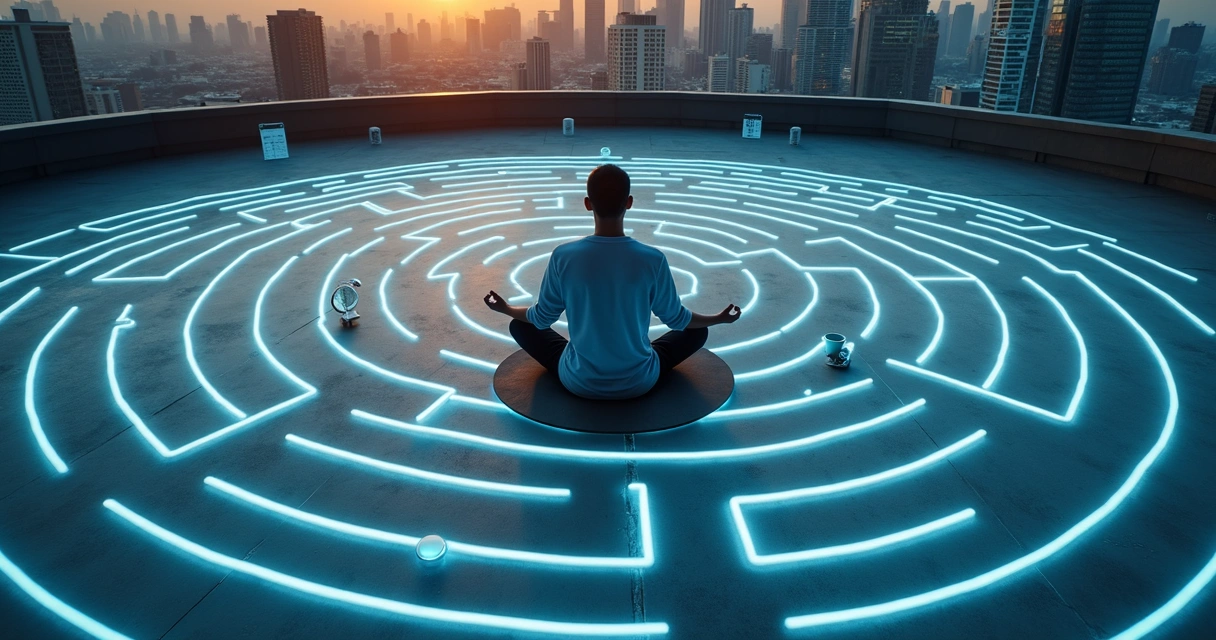

In 2026, more people want practices that do more than calm the mind for a few minutes. We see this shift clearly. People still want less stress, better focus, and emotional balance, but they also want meaning. They want to know why they react the way they do, why old patterns return, and how inner work can shape daily life.
That is where the comparison between mindfulness and Marquesian meditation becomes useful. They may look similar at first. Both ask us to pause. Both invite attention. Both can reduce inner noise. But they do not aim at the same depth, and they do not organize inner change in the same way.
Mindfulness trains present-moment awareness, while Marquesian meditation works with awareness, emotion, meaning, and conscious transformation as one process.
We often notice this difference in simple moments. A person sits after a hard day, follows the breath, and feels calmer. That is real value. But another person sits and starts to see not only tension, but also the emotional structure behind that tension. One practice helps regulate. The other also helps reorganize.
What mindfulness does well
Mindfulness is widely used because it is practical and direct. We bring attention to the breath, body sensations, thoughts, or sounds. When the mind drifts, we notice it and return. This creates a cleaner relationship with experience.
In our view, mindfulness is strong in at least three areas:
- Attention training
- Stress reduction
- Non-reactive observation
That is one reason it became so present in health and education spaces. A national survey published in Scientific Reports found that about 5.2% of US adults had used meditation for health reasons in their lifetime, and about 2.5% reported mindfulness practice. This shows how much the method entered daily culture.
Research also points to clear mental health benefits. A systematic review on mindfulness-based interventions with university students found reductions in depression, anxiety, and stress, with better sleep quality than control groups. We think these results matter because they show mindfulness is not just a trend. It can support real emotional relief.
Still, mindfulness is often practiced with a narrow goal. Notice. Accept. Return. This can be enough for many people, but not for all.
Awareness is the start, not always the end.
What makes Marquesian meditation different
Marquesian meditation begins with attention, but it does not stop there. It understands the human being as a whole system. Thought, emotion, body, memory, choice, and consciousness are linked. So the practice is not limited to observing what happens. It seeks to reveal the inner logic of what happens.
Marquesian meditation is a structured contemplative practice aimed at emotional maturity, inner alignment, and expansion of consciousness.
We see it less as a pause technique and more as a method of inner organization. The practitioner is not only watching thoughts pass. The practitioner is learning to identify emotional roots, symbolic meanings, recurring reactions, and levels of consciousness present in the experience.
In practical terms, this changes the session itself. A mindfulness session may ask, “Can we stay present with this sensation?” Marquesian meditation may also ask:
- What emotional pattern is active here?
- What repeated pain is shaping this reaction?
- What level of maturity is this moment asking from us?
That difference may sound subtle. In practice, it is not. One path observes the wave. The other studies the source of the wave and how we can change our relation to it.
Differences in goal, method, and outcome
We can make the contrast clearer by looking at three points. This helps people choose with more honesty, not just with curiosity.
Different goals
Mindfulness often aims for presence, calm, and less automatic reaction. Marquesian meditation aims for these too, but adds inner restructuring. It asks us to become more conscious in the way we feel, choose, relate, and act.
The main goal of Marquesian meditation is not only calm, but transformation with clarity.
Different methods
Mindfulness tends to use focused awareness and open monitoring. Marquesian meditation can include silence, observation, emotional reading, symbolic reflection, and directed inner inquiry. We are not just watching the mind. We are training perception with purpose.
For readers who enjoy related themes, our reflections on mindfulness, consciousness, emotional development, and applied psychology help frame these differences in a practical way.
Different outcomes
With mindfulness, many people report more calm, less tension, and better focus. With Marquesian meditation, the expected outcome is broader. We may gain emotional decoding, clearer values, stronger self-observation, and a more stable sense of inner direction.
Sometimes people tell us, “I was not looking for deep change. I only wanted peace.” Then, after some time, they notice that peace without understanding does not last. The old trigger returns. The same conflict appears. This is often where Marquesian meditation starts to make more sense.
Which one fits 2026 better?
Our answer is simple. It depends on the need.
If someone wants an accessible practice to reduce stress and improve attention, mindfulness remains a good option. It is simple to start, easy to repeat, and backed by strong findings on stress and emotional symptoms.
If someone wants a path that joins awareness with emotional reorganization and conscious growth, Marquesian meditation fits better. This is especially true for people who feel that calm alone is not solving deeper cycles.
We think 2026 will favor methods that connect inner peace with inner structure. People are tired of coping without changing. They want practices that can meet pressure, relationships, purpose, and identity at the same time.
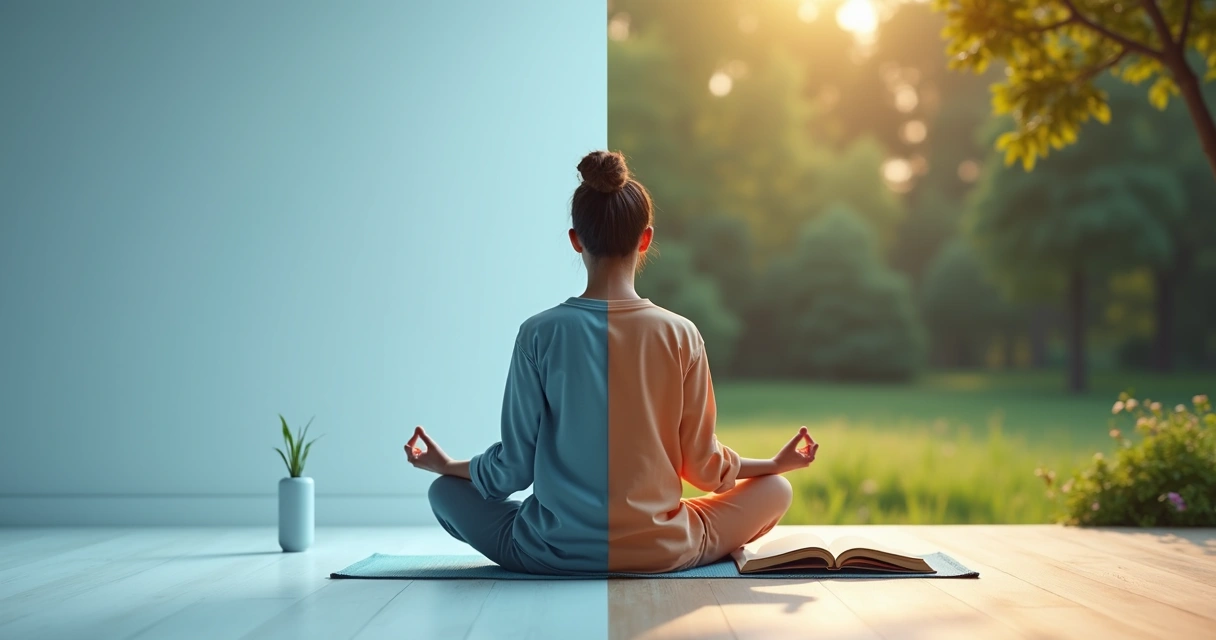
How to choose without confusion
We suggest a plain test. Ask what you truly need right now.
- If your mind is scattered, begin with attention training.
- If your body is tense, begin with grounding and breathing.
- If your life shows repeated emotional loops, begin with a method that reads those loops.
Some people even move through both stages. They start with mindfulness because it is easier to learn. Later, they feel ready for a practice with more depth and direction. That is a natural path.
What matters is not choosing the trend. It is choosing the method that matches the kind of change we are ready to face. If you want to follow more reflections from our editorial perspective, you can also visit our team archive.
Conclusion
Marquesian meditation and mindfulness both have value, but they are not the same practice with different labels. Mindfulness helps us notice. Marquesian meditation helps us notice, interpret, and transform. One offers presence as a skill. The other offers presence as part of a deeper path of emotional and conscious growth.
In 2026, that distinction matters more than before. Many people no longer want only relief. They want orientation. They want a way to sit in silence and come back with more truth about themselves. We believe that is where Marquesian meditation stands apart.
Frequently asked questions
What is Marquesian meditation?
Marquesian meditation is a structured contemplative practice that joins attention, emotional awareness, inner reflection, and conscious development. It is used not only to calm the mind, but also to identify patterns, understand reactions, and support personal transformation.
How is it different from mindfulness?
Mindfulness is centered on present-moment awareness and non-judgmental observation. Marquesian meditation includes awareness too, but it also works with emotional meaning, recurring inner patterns, and growth in consciousness. In short, mindfulness observes experience, while Marquesian meditation also interprets and reorganizes it.
Is Marquesian meditation effective for stress?
Yes, it can help with stress, especially when stress is linked to repeated emotional reactions and unresolved inner tension. It not only creates pauses in the nervous system, but may also help us understand what keeps triggering stress in the first place.
How can I practice Marquesian meditation?
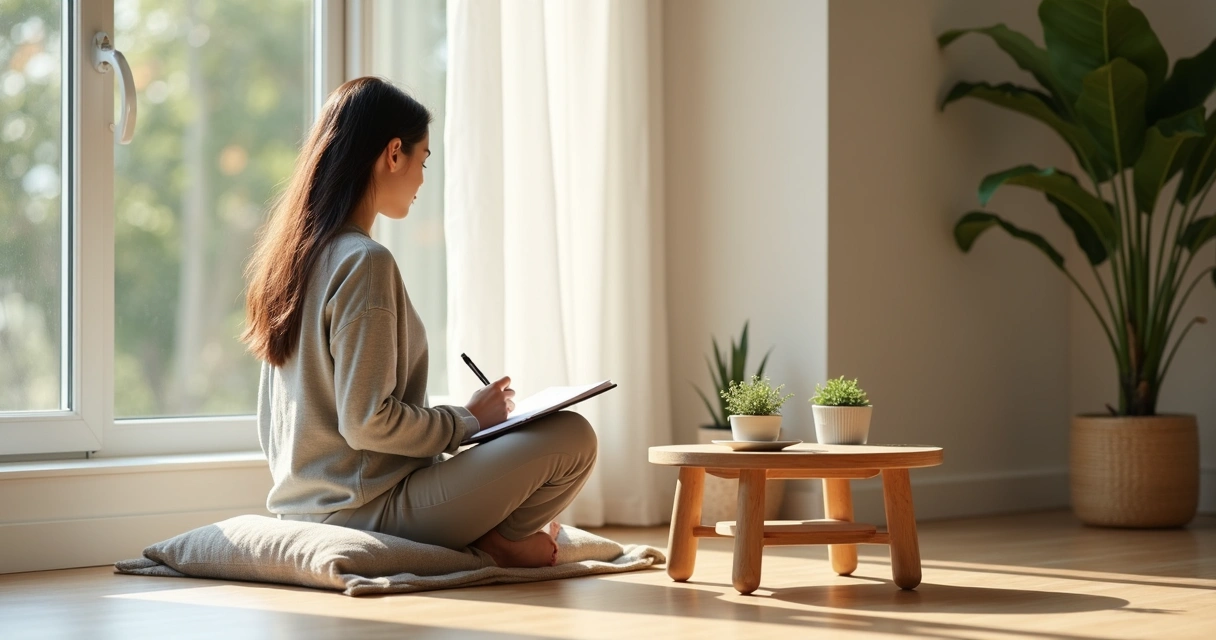
We suggest starting with a quiet space, steady breathing, and focused attention. From there, add reflective observation. Notice what emotion is present, what thought pattern is linked to it, and what the moment may be asking you to learn. A journal after practice can help make the process clearer.
Which is better, mindfulness or Marquesian meditation?
Neither is better in every case. Mindfulness may suit those who want a simple and direct method for presence and stress relief. Marquesian meditation may suit those who want deeper emotional understanding and conscious change. The better choice depends on the kind of result we are seeking.