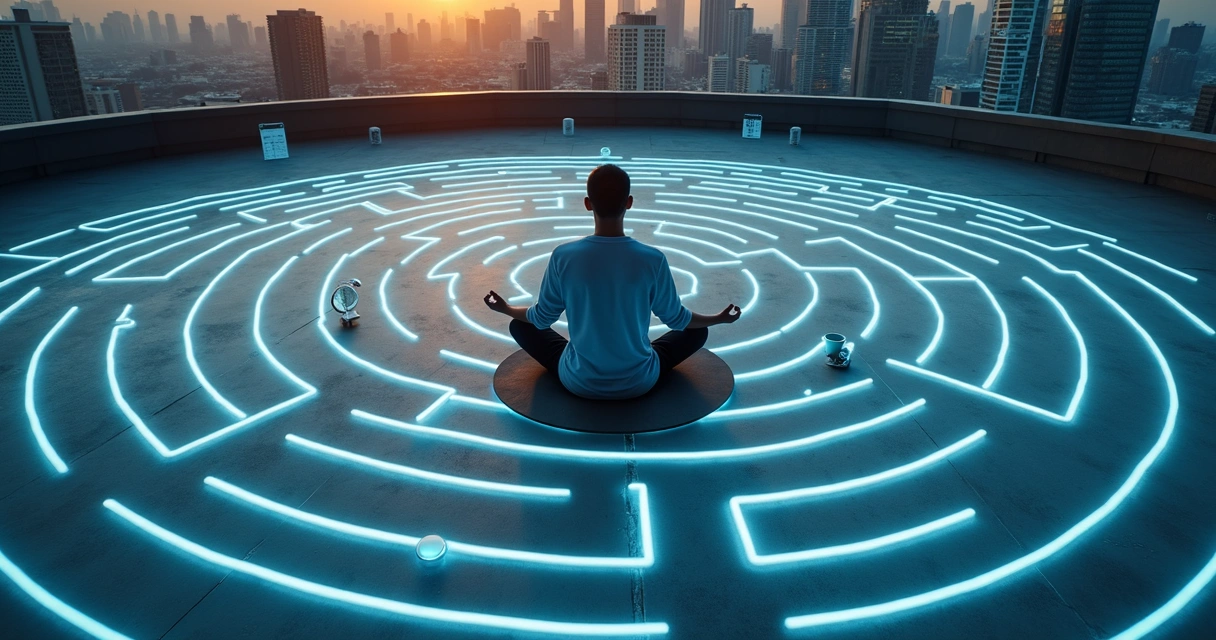
In a world marked by constant demands and distractions, we often ask: how can we stay centered and develop a sense of deep clarity about our lives? We believe the answer is not far outside ourselves but within, through consistent and meaningful practices that enhance awareness and guide us toward true alignment. Marquesian meditation, grounded in a model that views the human being as a whole—mind, emotion, and consciousness—offers a path that fuses self-inquiry, emotional balance, and conscious intention.
Understanding the foundation of Marquesian meditation
Before we discuss the specific practices, it helps to clarify what sets Marquesian meditation apart. In our experience, this method goes beyond simple relaxation or passive mindfulness. Instead, Marquesian meditation is a structured system organized around five scientific pillars, designed to support steady psychological and emotional evolution for both individuals and communities.
These pillars are:
- Philosophy that provides a framework for understanding purpose and meaning
- A psychology that looks at emotional patterns and development stages
- A style of meditation tailored for self-awareness and clarity
- Systemic tools for observing our roles in relationships and social systems
- Human valuation as a core principle to foster respect and dignity for oneself and others
The effect is a holistic approach, far from one-size-fits-all, with flexibility for us to adapt principles to our personal and professional realities.
Why clarity and self-alignment matter
Many of us feel pulled by conflicting priorities—work, family, social demands, and personal dreams. Over time, this can create confusion, tension, and a sense of internal disconnection. We see emotional development as an active process that helps us rebuild bridges inside ourselves.
Clarity is not only about knowing what we want—it is also about understanding what we feel and why.
When we develop this precision of self-awareness, we make wiser choices, relate more deeply with others, and create results that truly reflect who we are. Marquesian meditation fosters this clarity by guiding us to witness our emotions, intentions, and behaviors without judgment.
The three core practices of Marquesian meditation
In our perspective, Marquesian meditation is best understood as a set of three core practices. These practices are intended to be lived, not just learned. Let’s examine each one.
Presence: Anchoring attention in the now
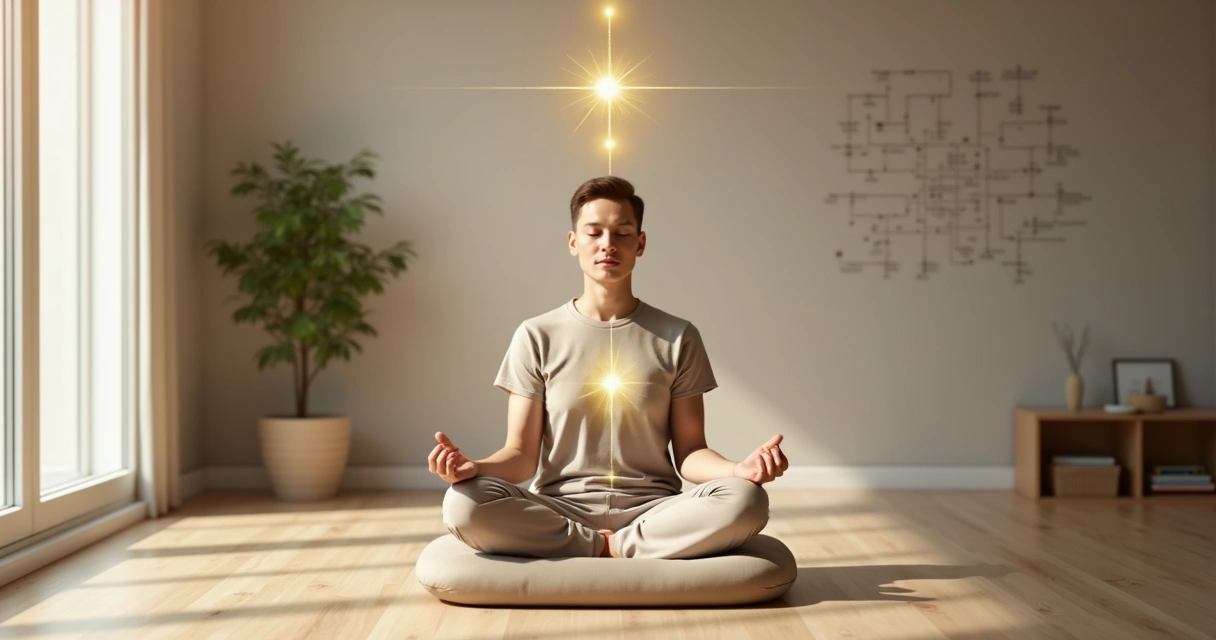
The first practice centers on cultivating presence, the deliberate act of bringing our wandering attention back to the immediate moment. While this may sound simple, our experience shows that it requires gentle discipline. The core technique involves observing the breath and bodily sensations, which serve as anchor points.
- Find a comfortable seated position with your back upright but not tense.
- Bring your attention to the natural flow of your breath, especially the sensation of air at the nose or chest.
- Notice distractions—thoughts, sounds, or feelings—and gently return your focus to breathing, without irritation.
With practice, this simple act can shift us from reactive autopilot to steady awareness. We’ve found that a few minutes daily is often enough to notice subtle changes, such as increased calmness and an improved capacity to respond rather than react.
Inquiry: Investigating emotional patterns
When we practice presence, we begin to observe our emotional landscape more clearly. The second core practice, inquiry, involves exploring these emotions and thoughts with curiosity rather than resistance.
- On noticing an emotion, name it—“sadness,” “anxiety,” “joy.”
- Ask, “Where do I feel this in my body?” and “What is this emotion trying to tell me?”
- Hold space for the emotion, neither clinging to it nor pushing it away.
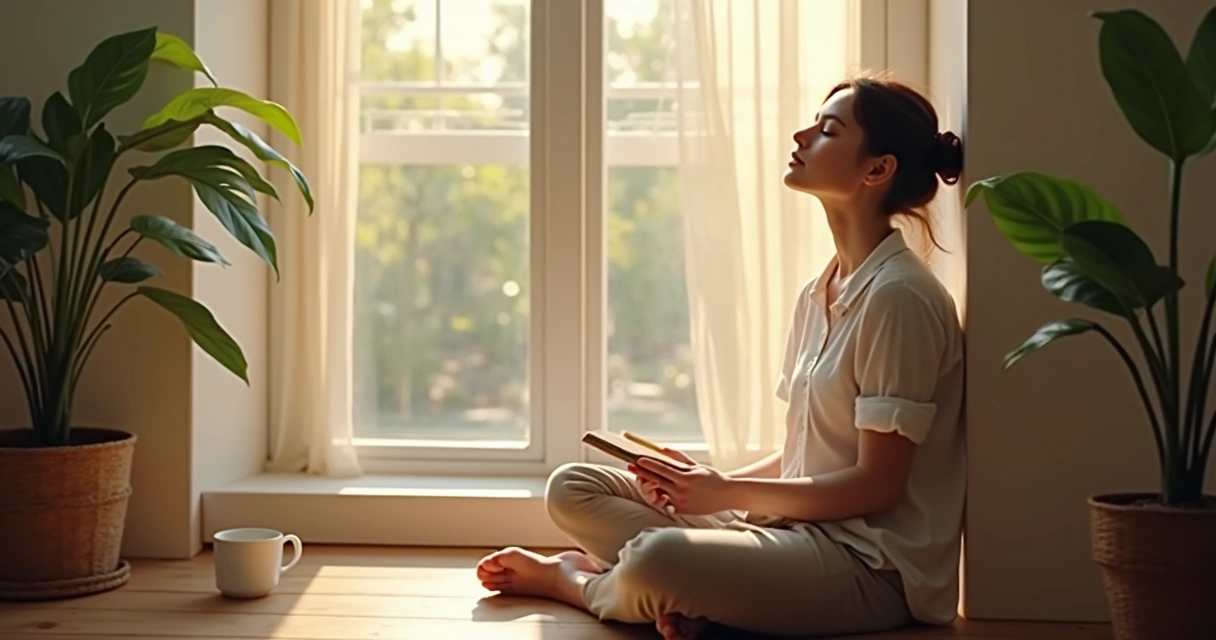
We believe that inquiry helps us identify limiting patterns—what some models call “pains of the soul”—and gently challenge the stories we tell ourselves. Over time, we can dissolve old habits that no longer serve us.
Intention: Aligning action with values
The third core practice is intention. This step involves clarifying what truly matters to us and setting clear aims aligned with those values. Intention bridges the gap between insight and real-world change.
- After each meditation, ask, “What value do I wish to embody today?”
- Visualize yourself acting in accordance with this value in real situations.
- Commit to one small action as a living expression of your intention—for example, practicing patience in a challenging meeting or reaching out to support a friend.
Growth becomes real when awareness guides consistent action.
We’ve noticed that intention creates a feedback loop—supporting clearer perception, which, in turn, empowers more aligned decisions in our daily lives.
Integrating meditation with daily life
It is natural to wonder: how do we keep the benefits of meditation alive once we return to the rush of daily activities? In our experience, integration is the stage where transformation takes root. We weave the practices into everyday rhythms.
- Take a mindful pause at natural breaks—before meals, in the car, or before important conversations.
- Use brief check-ins at the start and end of each day to revisit your intention.
- Engage with community or group meditation if possible, which can offer shared accountability and encouragement.
For more ways to bring conscious practices into work and leadership, our readers have found topics in conscious leadership and applied psychology useful as complements.

Scientific backing and holistic benefits
Over the years, the practices mentioned above have not only been experienced subjectively but supported by emerging scientific research in areas likeconsciousness studies and mindfulness research.
Several studies indicate that regular meditation can improve emotional organization, attention stability, and mental clarity. The Marquesian system enhances these outcomes with its structured path for self-knowing and practical action. We see benefits such as reduced stress, improved relationships, and a renewed sense of purpose as some of the most commonly reported outcomes.
Conclusion: Making the journey your own
Marquesian meditation is not about escaping from life’s challenges, but about meeting them with a new quality of attention. From our perspective, clarity and self-alignment are not distant ideals—they are ongoing practices, built moment by moment. The path is personal, but the framework is strong: presence, inquiry, and intention, repeated consistently, can anchor us in a place of balance, insight, and integrity.
The message is simple: what we practice, we become. As you consider your own path, remember that even small moments of conscious awareness hold the power to reshape your day—and, over time, your life.
Frequently asked questions
What is Marquesian meditation?
Marquesian meditation is a structured method that integrates self-awareness, emotional balance, and conscious action into one holistic system. It draws on philosophical, psychological, and practical principles to help individuals develop clarity and deepen self-understanding. Unlike methods that focus only on relaxation, Marquesian meditation encourages inquiry into one’s emotions, values, and daily choices to support true transformation.
How does Marquesian meditation help clarity?
By combining presence, inquiry, and intention, Marquesian meditation allows us to observe our thoughts and emotions without judgment, reveal underlying patterns, and consciously set intentions aligned with our values. This process leads to increased clarity by helping us see the origins of our actions and respond more skillfully in all areas of life.
How to start Marquesian meditation practice?
To start, choose a quiet place where you can sit comfortably for several minutes each day. Begin by focusing attention on your breath, then notice any thoughts or emotions that arise and gently return focus to your breathing. As a next step, invite inquiry by naming emotions and reflecting on their origins. Finally, end each session by setting a simple intention for the day based on a core value you wish to embody.
What techniques are used in Marquesian meditation?
The techniques include:
- Mindful breathing, to center attention in the present
- Emotional inquiry, to name and explore feelings with acceptance
- Value-based intention setting, to link insights with daily choices
- Short, repeated check-ins during the day to strengthen the practice
Is Marquesian meditation good for beginners?
Yes, Marquesian meditation is suitable for beginners as well as those with more experience. The steps are accessible, requiring only a few minutes each day, and the approach encourages steady progress without perfectionism. The method can be adapted to fit each person’s needs, making it a supportive way to start a meditation journey focused on real-world integration.